
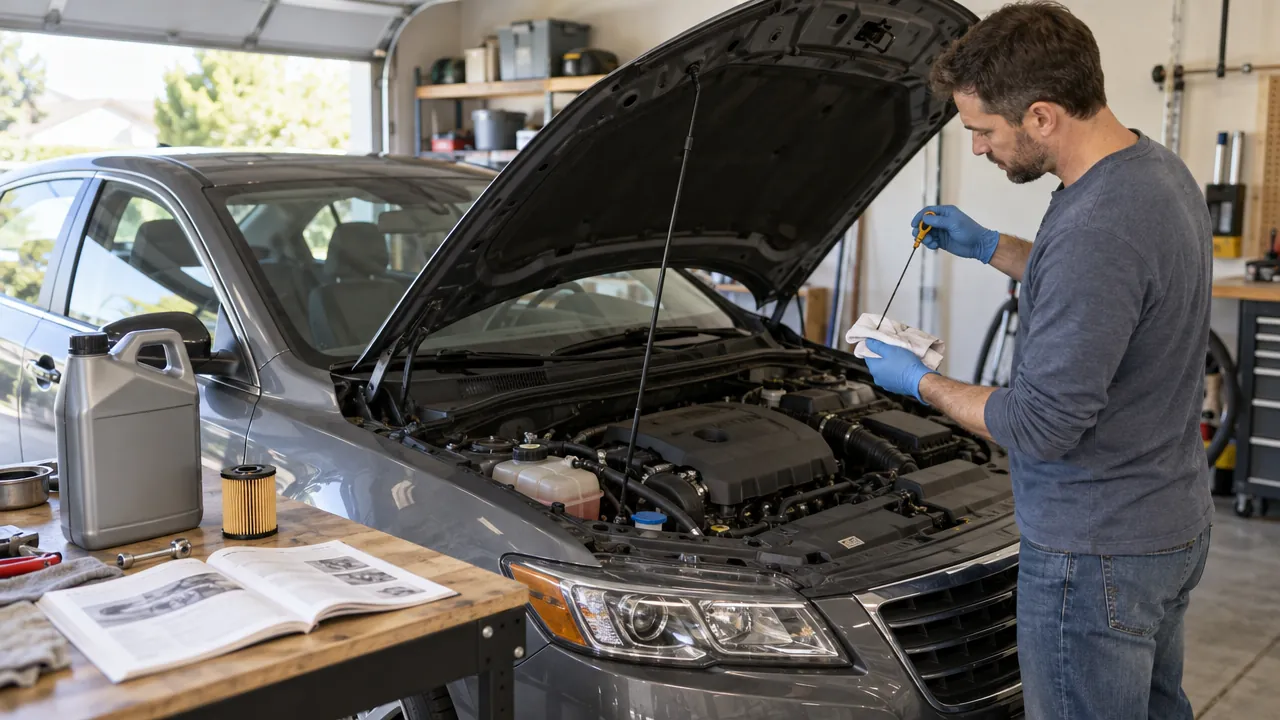
Caring for a car involves more than keeping its exterior clean. Engine oil needs attention too. It lubricates and protects components inside the engine, but its condition changes with time and use. Knowing what affects oil-change intervals, how oil types differ and how to replace a filter can help you keep up with this part of maintenance.
Does engine oil go bad?
Engine oil does not expire in the same way as food, but it does degrade. Exposure to heat, moisture and contaminants contributes to that process. As oil ages, it can become thicker and lose some of its lubricating ability, making it less effective at protecting vital engine components. Continuing to use dirty, degraded oil can compromise engine performance and allow harmful sludge to accumulate.
Keep track of the oil’s age and condition rather than assuming it will remain effective indefinitely. Replacing it when needed helps prevent potential engine damage. There is no single change date that suits every vehicle, however: both the car and the conditions in which it is driven matter.
How often should you change engine oil?
Your car’s make and model, your driving habits, environmental conditions and the oil you use all affect when a change is due. General intervals can provide a guide, but they cannot replace advice specific to your vehicle.
Follow the manufacturer’s guidance
Start with your car’s owner’s manual. Manufacturers give oil-change guidance for their engines and components, making the manual your first reference point. Recommended intervals typically range from 3,000 to 10,000 miles or from three to 12 months, whichever comes first. This is a broad range, not a recommendation to wait for its upper limit. Check the interval for your own car before deciding when to change its oil, and take account of whether a time or mileage limit arrives first.
Consider driving conditions
Frequent stopping and starting on a daily commute makes the engine work harder, as can driving a heavy goods vehicle. Extreme temperatures are another reason to consider changing oil more frequently. Examples include temperatures as low as −50 and as high as +57, although no temperature scale is specified for those figures. They illustrate extreme conditions, not a threshold you can apply to your car.
A long trip can also be a prompt to review whether an oil change is needed. Cleaning the car inside and out is another suggested preparation for a safe, enjoyable journey. Neither suggestion means every long trip automatically calls for fresh oil; check whether a change is due rather than treating the journey itself as an oil-change interval.
Account for oil type
The oil you use can influence the time between changes. Synthetic oil generally lasts longer than conventional oil because it has better temperature resistance and lubricating properties. It may therefore allow a longer interval. Before extending one, though, check your car’s condition and its recommended schedule. The word “synthetic” on a container is not, by itself, enough to establish how long the oil should remain in your engine.
Allow for personal preferences
Some drivers change their oil more frequently because they do not want to risk the health of the car or engine. Others consider frequent changes an unnecessary use of time and money, and wait until they notice signs of wear before planning one. Whichever you favour, keep the vehicle’s guidance and the oil’s condition separate from your personal view of how often maintenance should be done.
Which type of engine oil do you need?
The right oil depends on factors including your car’s model and mileage. Conventional oil, synthetic oil and synthetic blends offer different combinations of cost and performance. Understanding those differences helps you assess the options, but a general description of an oil type does not establish that it suits every engine. Check the requirements for your car when choosing one.
Conventional oil
Conventional oil is derived from crude oil and is generally the most affordable of these three types. It can suit everyday driving, although it may need changing more often than synthetic oil. Its lower purchase cost is therefore only one consideration: the possible difference in change frequency matters when deciding whether it meets your needs.
Synthetic oil
Synthetic oil is formulated for high-performance engines. It provides strong lubrication and resistance to temperature changes, and can offer longer-lasting protection than conventional oil. It costs more, but improved fuel efficiency is another potential benefit. Its durability may affect the change interval; it does not remove the need to check the car’s condition or follow the guidance for that vehicle.
Synthetic blend
A synthetic blend combines conventional and synthetic oils. It offers a balance between performance and affordability, with enhanced protection without the full cost of synthetic oil. This makes it an option for drivers weighing protection against price. As with either oil on its own, whether a blend is appropriate depends on the vehicle, not just the general advantages of the type.
How to change an oil filter
The oil filter traps contaminants and stops them circulating through the engine’s oil system. Debris builds up in the filter over time, reducing its effectiveness and potentially restricting the flow of oil. Regular replacement helps keep oil flowing and the engine running smoothly.
Locate the filter
Look towards the bottom of the engine for the oil filter. Its exact position varies between cars, so identify the filter on your particular vehicle before trying to remove it.
Remove the old filter
Use an oil-filter wrench to loosen the old filter by turning it anticlockwise. Keep a drain pan nearby because some oil may spill. Once the filter is loose, unscrew it and remove it from the engine.
Fit the new filter
Put a little fresh oil on the replacement filter’s rubber gasket before fitting it. Screw the new filter into place by hand, making sure it sits properly and feels secure. Do not tighten it excessively. Taking care as you fit it helps avoid leaving it badly seated or making it too tight.
Check the replacement
Check that the new filter is in the correct position and seated properly. You can then start the car and look for an illuminated indicator or an unpleasant smell. This final check matters: the replacement is not complete simply because the new filter has been screwed into place.
Keeping up with oil and filter care
Oil condition, change intervals, oil choice and filter condition are connected parts of engine maintenance. Begin with your car’s guidance, then consider how you drive and which oil you use. Paying attention to each of these helps protect the engine, supports efficient running and can contribute to a longer vehicle life.