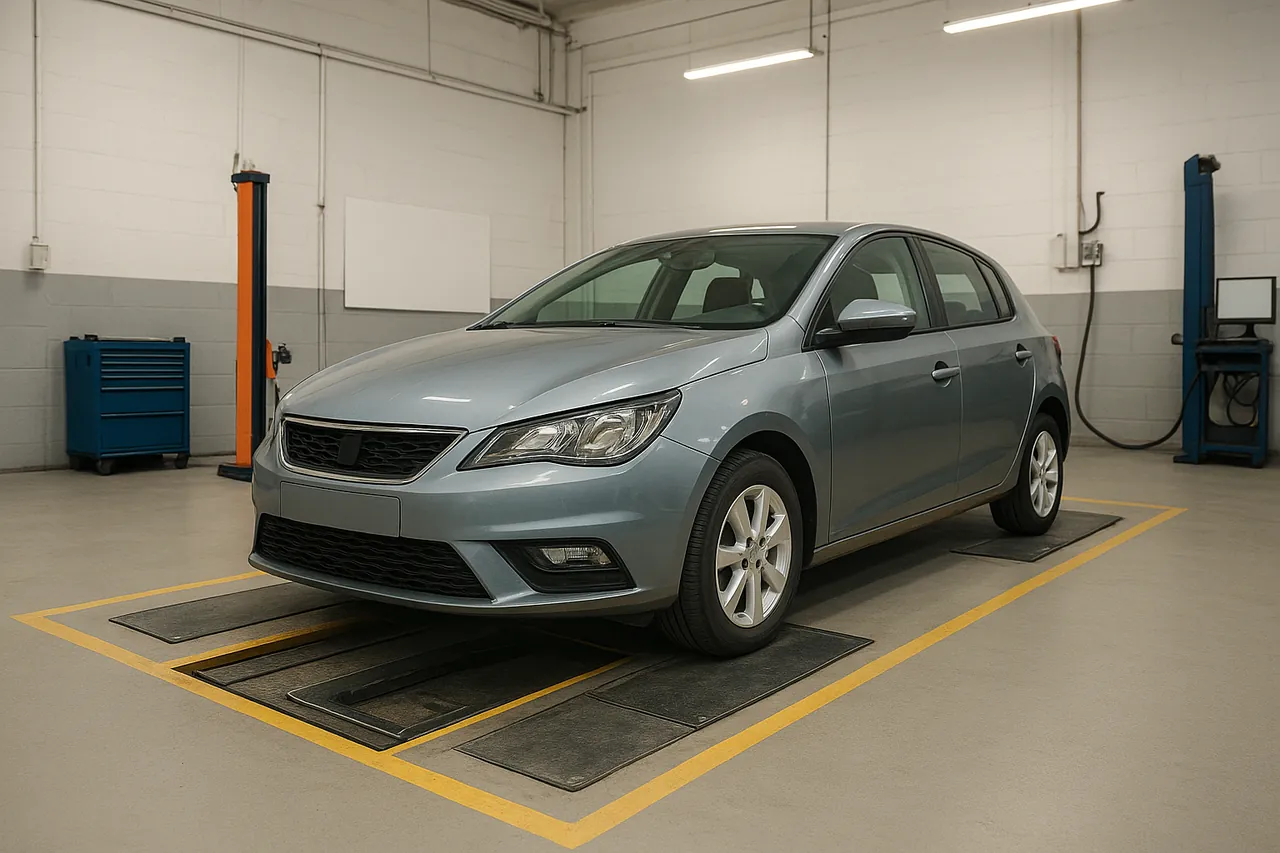
Cars have changed considerably in the past decade. Driver assistance features, electronic parking brakes and onboard diagnostics, once associated mainly with premium models, are now common across many vehicles. The MOT still checks whether a vehicle meets minimum legal roadworthiness standards, but testers must assess relevant electronic systems alongside familiar mechanical components. Knowing which features matter can help you prepare and recognise when a separate diagnostic check may be useful.
How has the MOT changed for modern vehicles?
The purpose of the MOT remains to check that a vehicle meets the minimum legal roadworthiness standards set by the Driver and Vehicle Standards Agency (DVSA). Checks of tyres, brakes, lights and other established inspection items remain important. What has changed is the range of equipment fitted to cars: sensors, electronic controls and safety systems are now part of everyday driving. Testers check relevant warning systems under the prescribed MOT procedures; they do not rely on manufacturer diagnostic equipment to carry out the test.
Which technologies can affect the MOT?
Not every electronic feature is tested directly. The distinction is whether a fault affects an item or system covered by the inspection. Three areas drivers may encounter are driver assistance, onboard warning systems and electronic brakes.
Advanced driver assistance systems
Advanced Driver Assistance Systems (ADAS) can include lane departure warning, automatic emergency braking and traffic sign recognition. The MOT does not currently verify that every ADAS function works correctly. Nevertheless, a fault involving a mandatory safety system or a relevant warning light can affect the result. If a vehicle has a forward-facing camera, replacing its windscreen may require camera recalibration. A misaligned camera could prevent features such as lane departure warning or automatic emergency braking from operating as intended, even though the MOT does not individually test every feature.
Onboard diagnostics and warning lights
Most modern vehicles monitor their own performance through onboard diagnostics (OBD). Dashboard lights can alert the driver to faults involving emissions, brakes, airbags or electronic stability systems. During an MOT, testers inspect relevant warning lights and record issues that indicate a system covered by the test is not working correctly. A diagnostic check can help investigate the cause of a warning, but it is separate from the prescribed MOT inspection.
Electronic braking systems
An electronic parking brake replaces the familiar handbrake lever in many cars, but its basic obligation is unchanged. The MOT assesses whether the braking system operates safely and meets the required performance standards. A different method of applying the parking brake does not remove the need for it to function properly.
Do electric and hybrid vehicles have different requirements?
Electric and hybrid vehicles need an MOT once they reach the appropriate testing age. With fewer conventional engine components, some traditional checks are less relevant, but tyres, suspension, steering, brakes, lights, seatbelts and structural condition remain important. Electric vehicles also have high-voltage systems. These are not inspected in the same routine way as other MOT items, although testers carry out any relevant visual checks required by current DVSA procedures. If a problem calls for repair beyond the scope of the MOT, a technician with appropriate specialist training may be needed. The test remains a roadworthiness inspection, not a complete assessment of every vehicle system.
What happens if a dashboard warning light is on?
The answer depends on what the light indicates. Warning lights for airbags, ABS, electronic stability control or engine management may lead to an MOT failure when they show a fault in a system covered by the inspection. An illuminated light should not be ignored simply because the car still seems to drive normally. Addressing the underlying problem before the test may make the process more straightforward and can prevent a small fault from developing into a more expensive repair.
Can a garage check for problems beforehand?
Many garages carry out pre-MOT inspections or diagnostic checks. These can uncover problems that are not obvious in everyday driving, particularly electrical faults or issues related to emissions. Finding a fault early gives you time to arrange a repair before the official test. Diagnostics can be useful for understanding a dashboard warning, but a diagnostic report is not an MOT pass and cannot replace the inspection itself.
What should you check before an MOT?
Routine maintenance matters for modern vehicles just as it does for older ones. Before booking, inspect tyres for adequate tread and visible damage, and make sure all exterior lights work. Top up the screen wash, check the wiper blades and ensure the number plates are clean and readable. Look for dashboard warning lights rather than assuming an electronic fault will go unnoticed. If you have noticed unusual noises or changes in handling, arrange for the cause to be checked and any necessary repairs to be made.
Keeping up with vehicle technology
As new safety systems become more common, MOT procedures are likely to continue evolving. For now, the central aim has not changed: checking that vehicles meet minimum legal roadworthiness standards before returning to the road. Responding to warning lights, maintaining both electronic and mechanical systems, and making a few simple checks ahead of the test can reduce unexpected problems.
Frequently asked questions
Can an ADAS fault fail an MOT?
Not every ADAS feature is tested individually. A relevant warning light or a fault affecting a safety system covered by the MOT may, however, result in a failure.
Are electric vehicles tested differently?
They follow the same general MOT framework as petrol and diesel cars, although some engine-related checks do not apply. Safety-critical items, including tyres, brakes, steering and lights, are still inspected.
Can a diagnostic check identify potential failures?
It may reveal electronic faults before the MOT, especially faults linked to warning lights or emissions. It does not replace the official test or establish that the vehicle will pass.
Will any illuminated warning light cause a failure?
Not necessarily. It depends on the system involved. Lights indicating relevant faults in airbags, ABS, electronic stability control or engine management may cause a failure.
When does a new car need its first MOT?
Most new cars need their first MOT at three years old, unless they belong to a category with different testing requirements.