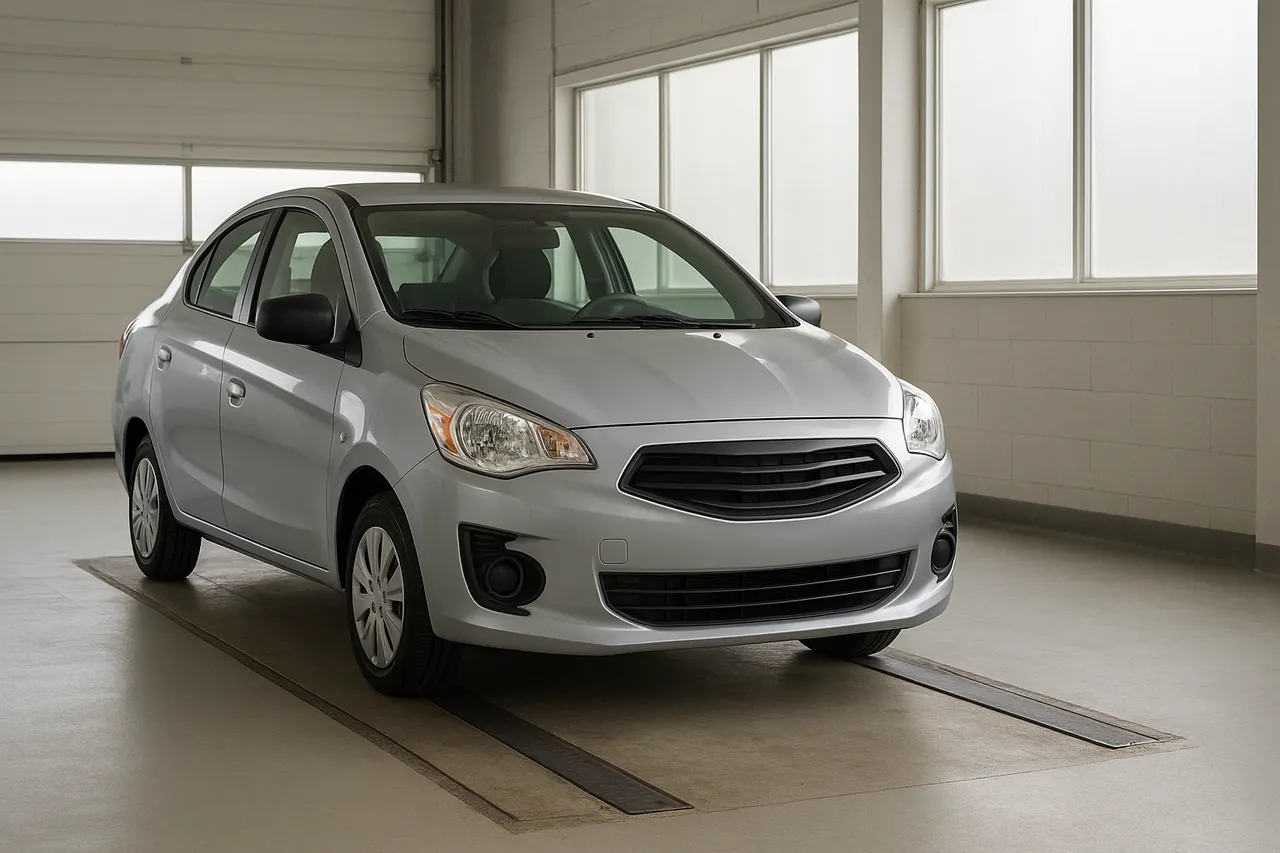
Most MOT failures result from gradual wear rather than sudden mechanical faults. Changes in how your car looks, sounds or feels can therefore give you time to find a problem before the test. MOT inspections follow standards set by the Driver and Vehicle Standards Agency (DVSA). A visual check a few weeks before your appointment may reveal simple faults you can deal with in advance.
Common warning signs
Some potential MOT problems become noticeable during everyday driving; others are easier to see while the car is parked. A symptom cannot tell you for certain whether the vehicle will pass, but it can show you where to look more closely. Tyres, brakes and persistent dashboard warnings are useful starting points.
Worn or damaged tyres
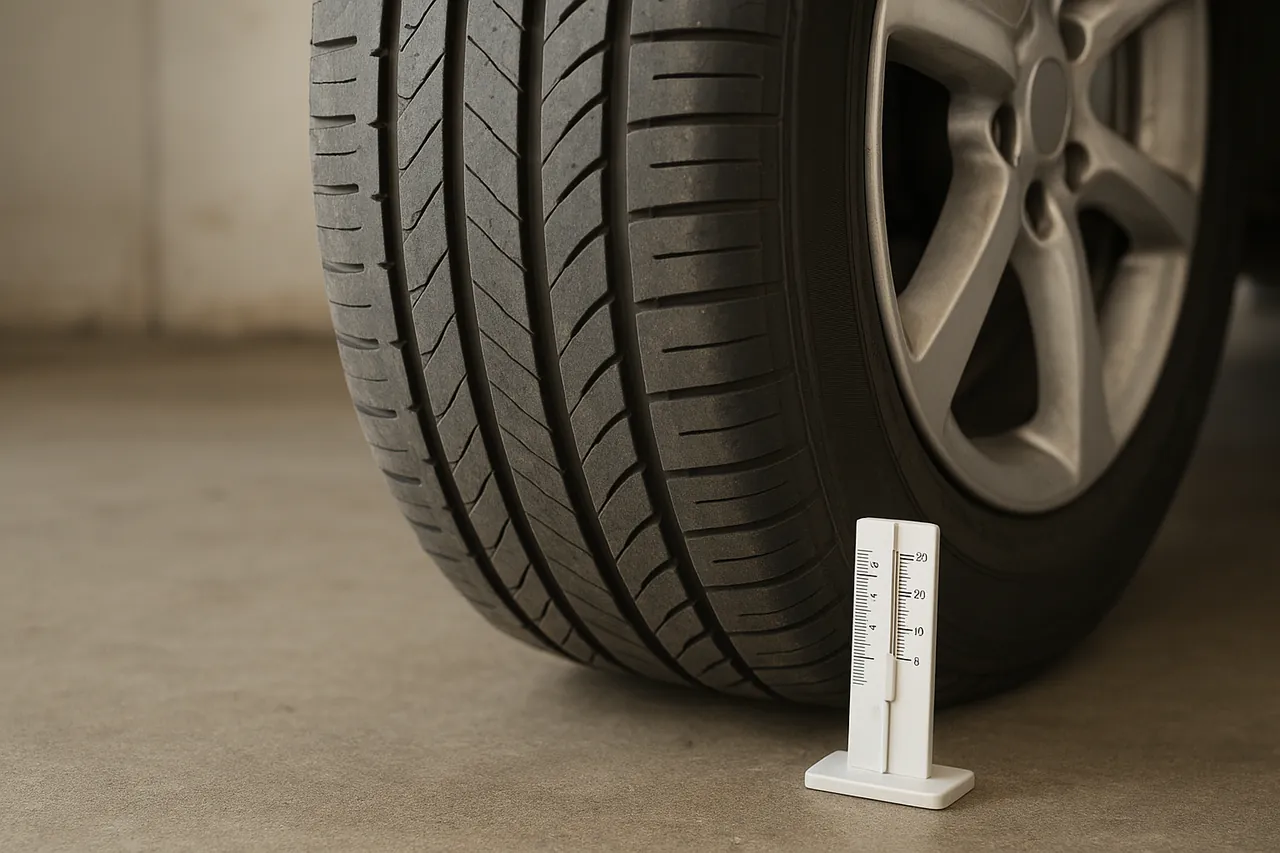
Tyres are a frequent cause of MOT failure. UK law requires at least 1.6 mm of tread across the central three-quarters of a tyre. Check each tyre for uneven wear, cuts, bulges and exposed cords, which may also result in failure. Damage is not always obvious from a quick glance at one wheel. If you notice reduced grip or visible damage, have the tyres inspected before the test.
Changes when braking
Grinding noises, vibration through the brake pedal or a car pulling to one side under braking may indicate worn brake components. Do not assume the brakes are sound simply because the car still stops. A professional inspection can identify the cause and confirm whether repairs are needed before the MOT.
Dashboard warning lights
Modern vehicles monitor many important systems electronically. An illuminated engine management, ABS, electronic stability control or airbag warning light may affect the MOT result. If a light stays on, reading the fault codes early can help identify the underlying problem rather than leaving its diagnosis until test day.
Exterior faults to check
The MOT includes exterior checks related to the safety of the driver and other road users. A walk around the parked car can bring several faults to light before your appointment.
Lights and lenses
Check the headlights, brake lights, indicators, reversing lights, rear fog lights and number plate lights. Make sure the lenses are secure and not badly cracked. Check again shortly before the test, even if the lights worked when you last used them.
Windscreen, wipers and washers
Split wiper blades, ineffective washers or windscreen damage that obstructs the driver’s view can affect an MOT. Replace worn blades if they leave streaks, and check that the washers work and have enough screen wash. Look for chips and cracks in the windscreen too: these are another common source of MOT problems.
Number plates and mirrors
Registration plates must be clearly readable and securely attached. Check that they are displayed correctly and that the mirrors are not damaged. Both are easier to inspect while the vehicle is parked than during a journey.
Could steering or suspension cause a failure?
Yes. Steering and suspension components experience wear, especially on cars regularly driven over uneven roads or speed bumps. Listen for knocking over bumps and notice whether the car bounces excessively after a pothole. Uneven tyre wear, unusually heavy or loose steering, and pulling to one side are further warning signs.
These symptoms do not automatically mean the car will fail its MOT, but they should be checked promptly. Regular servicing can also reveal worn components before the test.
What about emissions?
Vehicles must meet emissions standards appropriate for their age and fuel type. Excessive exhaust smoke, rough idling, poor fuel economy or an illuminated engine management light may point to a problem worth investigating. None identifies the cause on its own. Keeping the vehicle serviced can reduce the risk of an emissions-related failure.
A practical pre-MOT checklist
Preparation cannot guarantee a pass, but basic checks can prevent avoidable failures. Make them early enough to allow time for an inspection or repair if you find something wrong.
Confirm that every exterior light works. Inspect tyre tread and pressures, top up screen wash and replace worn wiper blades. Check the horn and remove anything obstructing the driver’s view. Make sure the seatbelts fasten and retract correctly, and look for obvious fluid leaks beneath the parked vehicle. The checks themselves take only a few minutes, though a fault may need further attention.
How servicing and the MOT differ
A service and an MOT have different purposes. Servicing can identify wear before it becomes a safety issue, while an MOT checks whether the vehicle meets minimum legal roadworthiness standards. A service is not mandatory before the test, but regular maintenance can reduce the likelihood of an unexpected defect. Having the car serviced shortly beforehand may reveal worn or damaged parts in time to address them.
Spotting problems early
You do not need advanced mechanical knowledge to notice an unusual noise, a persistent warning light or visible damage. Pay attention to changes while driving and make time for a visual check before the test date. Finding a problem early gives you more opportunity to have it assessed and may help you avoid the inconvenience of an unexpected failure.
Frequently asked questions
Can I drive if I think my car will fail?
If your current MOT certificate remains valid and the car is roadworthy, you can usually continue driving until the test date. Dangerous defects should be repaired immediately, regardless of when the certificate expires.
What commonly causes an MOT failure?
Tyres, lights, brakes and suspension components regularly feature among the reasons cars fail. Many faults in these areas develop gradually and can be found through routine checks or maintenance.
Should I service my car before its MOT?
You do not have to, but a service can identify worn or damaged parts that might otherwise cause a failure. Some motorists therefore arrange one shortly before the test.
Will an engine management light cause a failure?
An illuminated engine management light may cause a failure if it indicates a fault affecting emissions or another system covered by the inspection. Diagnosing the fault beforehand helps establish whether a repair is needed.
How early can I have the MOT?
You can usually have the test up to one month minus one day before your current certificate expires and keep the existing renewal date, provided the car passes.