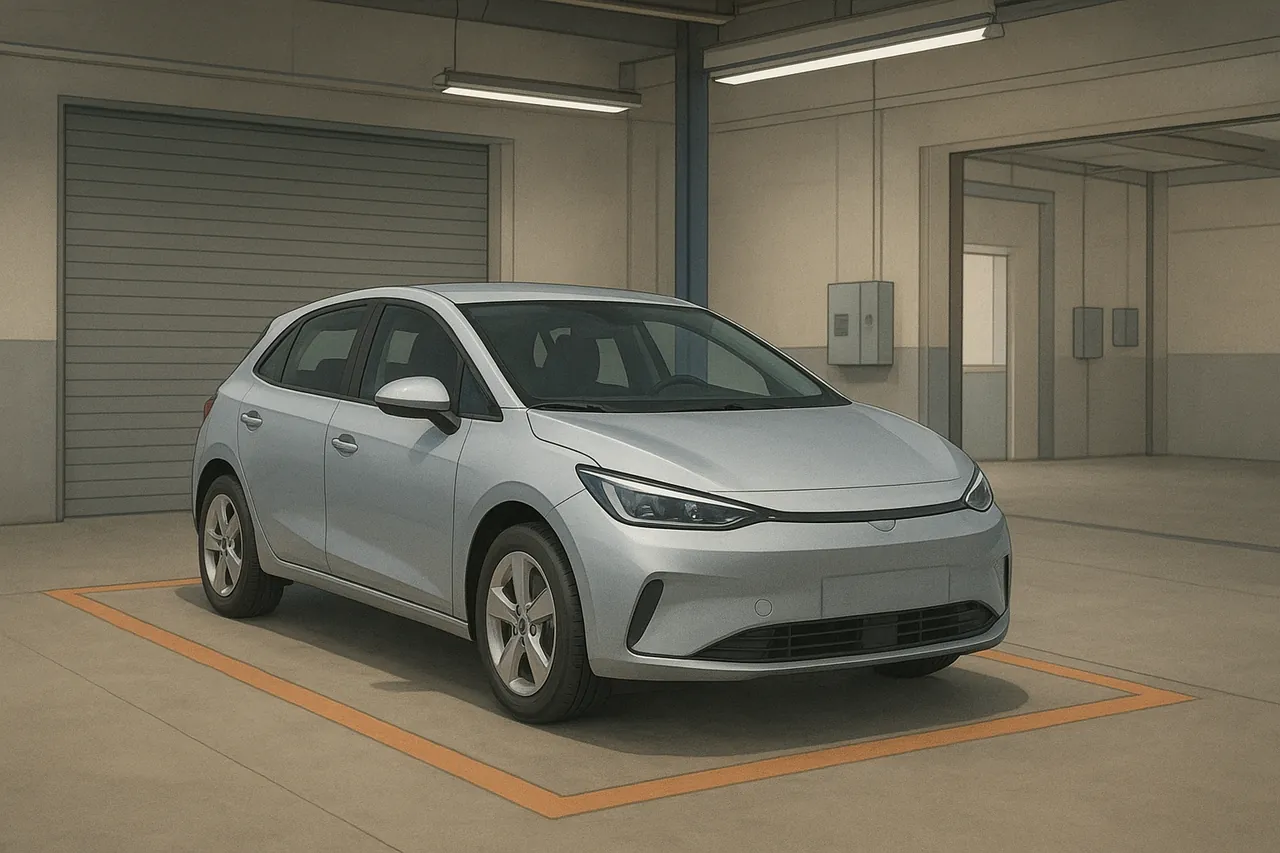
If you have switched from a petrol car to an electric one, you may wonder whether its first MOT will be different. A fully electric car undergoes much the same roadworthiness test as any other car. The main exception is the exhaust emissions test: without a combustion engine or exhaust system, there is no such check to carry out. The usual safety checks still apply.
When does an electric car need its first MOT?
For a standard electric car in England, Scotland or Wales, the first MOT is normally due when the vehicle reaches three years old. It then needs a new MOT every year. Running on electricity does not change the timetable that applies to most petrol and diesel cars, so there is no separate schedule to learn.
Northern Ireland has a separate vehicle-testing system. Drivers there should check the relevant local requirements rather than assume the timetable for England, Scotland and Wales applies. Wherever you live, keeping track of the test date helps you arrange the next MOT before the current one expires.
What does an electric car MOT cover?
The test remains focused on roadworthiness. It covers brakes, steering, suspension, tyres and wheels, lights, number plates, seat belts, the windscreen and wipers. A fully electric car skips the exhaust emissions check because it produces no tailpipe emissions, but it still needs to be stable, visible and controllable.
The tester also checks the condition and security of visible electrical wiring, including high-voltage cabling where accessible. These checks sit alongside, rather than replace, the familiar checks of mechanical parts and equipment used on every journey.
The battery receives a limited visual inspection where accessible. An accessible propulsion battery may be checked for security or leakage, but the MOT does not assess how well it performs. That is the difference between looking for relevant visible safety concerns and measuring the battery’s usefulness as a source of driving power.
Does the MOT tell you about battery health or range?
No. An MOT is a statutory roadworthiness test, not a battery-health assessment. It does not measure remaining capacity, charging speed, real-world range or the battery’s overall state of health. Passing the MOT therefore tells you nothing specific about how far the car will travel on a charge.
If you are considering a used EV or are concerned about degradation in your own car, a separate battery-health or diagnostic report may provide information the MOT cannot. Do not mistake a visual check of accessible battery components for a performance assessment.
Which EV parts need attention between tests?
Having fewer routine engine-service items does not make an electric car maintenance-free. Follow the manufacturer’s service schedule and watch for normal wear. Tyres deserve attention because many EVs are relatively heavy and instant torque can affect wear. Check both tread and general condition rather than waiting for the MOT.
Regenerative braking may reduce use of the friction brakes, but the conventional braking system still has to meet MOT standards. Discs and pads can deteriorate even when used less often. Regeneration is not a substitute for keeping these components in suitable condition.
Suspension components support the vehicle’s weight and are checked in the usual way. Paying attention to tyres, brakes and suspension remains important without the routine engine work associated with a petrol or diesel car. The power source changes; the need for sound mechanical parts does not.
How should you prepare for the appointment?
Treat the booking much like any other MOT. Check when the current certificate expires and arrange the test before that date. Before the appointment, check the lights, tyre tread and condition, washer fluid and wipers, and pay attention to warning lights. These basic checks may help you spot issues beforehand.
A normal Class IV electric car does not need a separate “electric-only” MOT category. The test still checks road-safety standards, with visual checks of accessible EV electrical components but no exhaust emissions test. Keep following the manufacturer’s service schedule alongside booking the MOT when it is due.
Frequently asked questions
Do electric cars need an MOT every year?
In England, Scotland and Wales, a standard electric car normally needs its first MOT at three years old and another every year after that. Northern Ireland uses a separate system, so check its local requirements.
Is an EV MOT cheaper than a petrol-car MOT?
Not necessarily. The legal maximum fee for a Class IV car MOT is the same for an electric car as for a petrol car, although an individual test centre can charge less.
Do electric cars have an emissions test?
Fully electric cars do not have an exhaust emissions test. They have no combustion engine or exhaust system producing tailpipe emissions, so there is nothing to test in that part of the MOT.
Is the main EV battery checked during an MOT?
Only to a limited extent. An accessible propulsion battery can be visually checked for security or leakage, but the MOT does not assess capacity, range or overall state of health.
Can regenerative braking cause MOT problems?
Regenerative braking itself is not the issue. The conventional brakes must still meet MOT standards, and their components can wear or deteriorate despite being used less often.